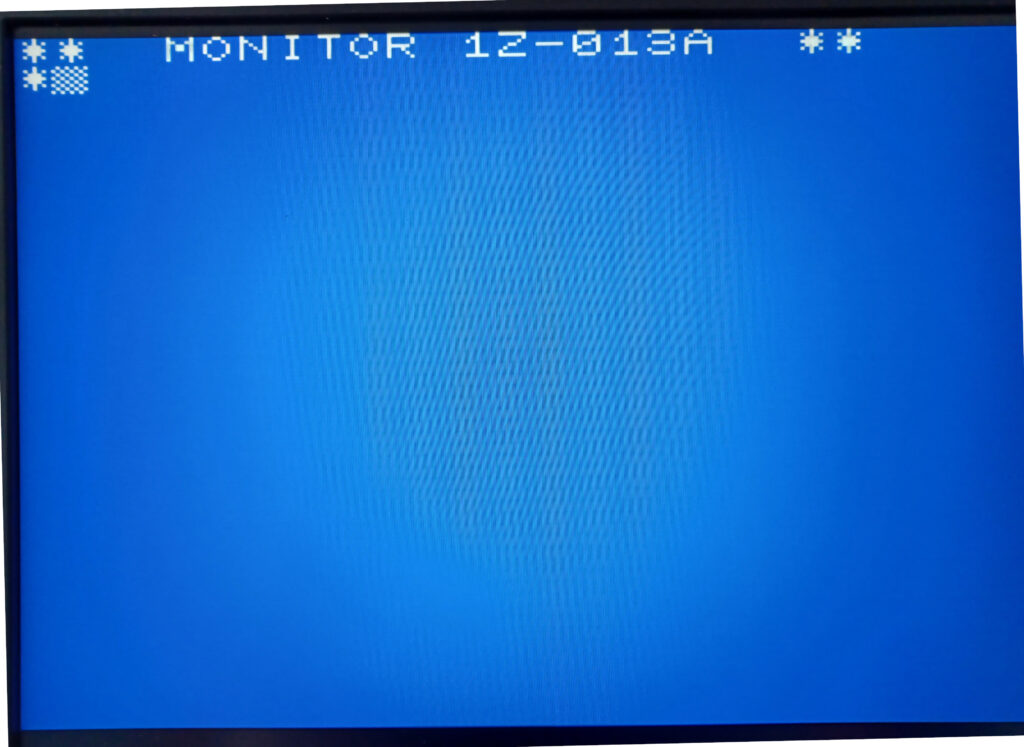
A Pico MZ-700 ?
Autumn is here, so it means that the Caterham is SORNed until the spring, giving me time to tinker with some retrocomputing projects. The first project I’m attempting is to write a MZ-700 emulator for my Pico MZ platform.
I’ve started off by creating a branch of the Pico MZ-80K/A code as many aspects will be similar. For the moment I’m creating a separate uf2 so that the code doesn’t get overly complex. This means I have a new main program, VGA display module, keyboard handler and ROM definition file. Once I’ve got it working I may try to consolidate everything onto a single uf2, but to do that neatly there’s quite a bit of code refactoring required. And re-testing of the MZ-80K/A code that already works. So for the moment I’m keeping the new code at arms length.
The big differences with the 80K/A are that the MZ-700 uses an 8 colour display supporting 512 characters, has a faster clock, uses banked memory and has a different keyboard matrix to implement. There’s also support for Sharp’s QuickDisk and floppy disk formats, but I shall restrict myself to cassette tape emulation for the time being as that should be identical to the earlier MZ-80s. The MZ-731 had an inbuilt printer/plotter, but that’s also not on my initial list of emulation targets.
The first job I’ve attempted is to get colour output. This hasn’t been too difficult to achieve and seems to work nicely on a Pico. I’ve not started over clocking the Pico to get the 3.5MHz Z80 emulation speed I need, so this is encouraging. I am concerned that I won’t be able to over clock the Pico enough to get an accurate MZ-700 emulation, but fortunately the Pico 2 should have plenty of headroom.